How frame straightening systems reduce repair time and labor costs

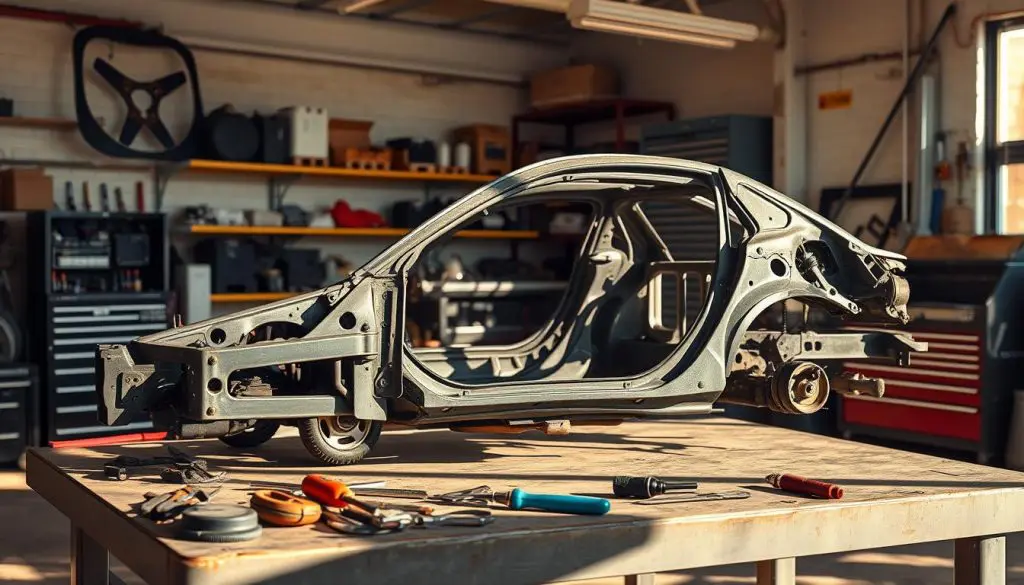
Repair jobs are usually demanding in terms of precision, meticulous handling,and planning to restructure ruined buildings. The modern tools are useful in enhancing speed and minimizing manual labor in the workshop. The frame machine for cars is one of the necessary tools that facilitates the work of positioning tasks with precision. The systems help technicians to rectify the structural problems within a short time without having to make repeated adjustments. The more efficient an employee is, the less time he or she will spend on any job. This also reduces the cost of labor as less time is spent on doing work. The improved tools result in improved production with a lesser effort on the employees.

Efficient Repair with Accurate Alignment.

Accurate alignment equipment assists in achieving a structure within no time, as the adjustments are correctly made with the first step, reducing redundancy of work and enhancing the efficiency of the workflow among various repair steps undertaken in the workshops.

Less time on Manual labor.

The use of machines in heavy pulling reduces the physical workload on employees and enables them to focus on the accuracy of control, hence completing the task faster without any unnecessary delays during repairs.

Consistent Results Across Multiple Repairs

Using structured systems ensures similar outcomes for each task, which removes guesswork while improving the reliability of alignment work across different repair cases handled within the same environment.

frame machine for cars

Faster Setup Improves Workflow Speed

Quick setup features reduce preparation time before starting work, which allows technicians to begin adjustments sooner, leading to better time management during busy repair schedules.

Better Measurement Enhances Precision Levels

Built-in measurement tools guide alignment with clear data, which helps avoid errors while ensuring that each adjustment meets required standards without repeated checking.

Controlled Pulling Prevents Further Damage

Controlled pulling systems apply a steady force, which reduces the risk of additional damage while ensuring that corrections happen smoothly without sudden pressure changes during repair work.

Improved Safety During Repair Tasks

Secure holding systems keep structures stable, which reduces accidents while giving workers better control during alignment tasks that require careful handling of heavy components.

Efficient Tools Increase Productivity Rates

Better tools allow workers to complete more tasks within a limited time, which improves productivity while maintaining consistent output quality across different repair requirements.

Skill Support Through Guided Systems

Guided systems assist workers by providing clear direction, which reduces dependence on guesswork while improving confidence during complex alignment tasks.

Maintenance Simplicity Supports Longevity

Simple maintenance processes keep machines in working condition, which reduces downtime while ensuring continuous use without frequent interruptions in repair schedules.

Training Becomes Easier With Systems

Structured systems simplify learning for new workers, which helps them understand alignment processes quickly while maintaining accuracy during early stages of training.

Efficient repair work depends on combining reliable tools with proper handling techniques that support steady output. Systems designed for alignment help reduce workload while improving task accuracy across different repair conditions. Proper equipment selection ensures smoother operations while lowering the overall effort required from workers. When tools support precision and control, results improve without unnecessary delays or repeated corrections. Using solutions like a frame machine for cars helps maintain a balance between speed and quality, making repair tasks more manageable while reducing total operational costs over time.


  • Related Posts

    Improve Sipping Quality Through Tequilas Offering Smooth Balanced Flavor Profiles

    A good tequila changes character as the glass empties. Early aromas can feel bright, while later sips reveal warmer notes. The best sipping tequilas often balance sweetness, oak, spice, and gentle heat. That balance depends on agave maturity, roasting, distilling, and barrel time. Each stage leaves a noticeable mark on the final pour. For that reason, slower tasting can reveal details missed during quick drinking.

    Agave Character Sets The Foundation

    Good agave character gives a pour its starting point. Roasting brings gentle sweetness and deeper roasted notes forward. Distillation then shapes clarity, strength, and overall texture. When those elements remain controlled, the finished spirit feels rounded. Fresh herbal notes can still remain noticeable afterward.

    Oak Time Adds Gentle Depth

    Barrel time can soften sharper edges during maturation. Reposado styles often develop vanilla, toast, and mild spice. Longer resting may bring darker wood and dried fruit notes. Still, heavy oak can cover the original agave character.

    • Light oak can add soft vanilla tones.
    • Toasting brings warmer notes forward.
    • Longer resting creates deeper wood character.
    • Balanced barrels preserve fresh agave notes.

    What Creates A Smooth Finish?

    Smoothness comes from several elements working together. Alcohol warmth should remain present without taking over. Sweet notes can support spice through each sip. A clean finish also allows subtle flavors to linger. The best sipping tequilas often show this balance naturally from start to finish.

    best sipping tequilas

    Texture Shapes Each Careful Sip

    Texture changes how flavor travels across the palate. A fuller pour may feel rich and rounded. Lighter styles can seem crisp with brighter herbal notes. Serving temperature also matters because excessive chilling hides delicate aromas.

    • Moderate temperatures help aromas stay noticeable.
    • Smaller pours encourage slower tasting habits.
    • Narrow glasses can focus delicate scents.

    Which Flavor Style Feels Right?

    Personal taste remains important when selecting a bottle. Agave-led styles suit drinkers seeking earthy sweetness and fresh herbs. Oak-focused versions offer warmer notes with added depth. Brighter profiles can bring citrus and gentle spice forward. Sampling small amounts makes those differences easier to notice.

    Patient Sipping Reveals More Detail

    A slow pour gives each stage room to develop. The opening aroma may feel fresh and lightly sweet. Later, roasted notes can meet oak, spice, or fruit. That change creates a more useful tasting picture. A balanced bottle does not need intense flavors to remain interesting. Instead, small changes across each sip can hold attention longer.

    FAQs

    What makes tequila suitable for slow sipping?
    A rounded profile keeps sweetness, warmth, texture, and finish working together without one note taking control.

    Does extra barrel time always improve flavor?
    No, extended aging can add depth while also hiding delicate agave character.

    Should tequila always be served chilled?
    Moderate serving temperatures often preserve more aroma and allow subtle flavors to remain clear.

    What glass supports better aroma recognition?
    A narrower glass can gather scents near the opening, making small differences easier to notice.

    Continue reading
    Boost Manufacturing Consistency Through Reliable CNC Machining Processes

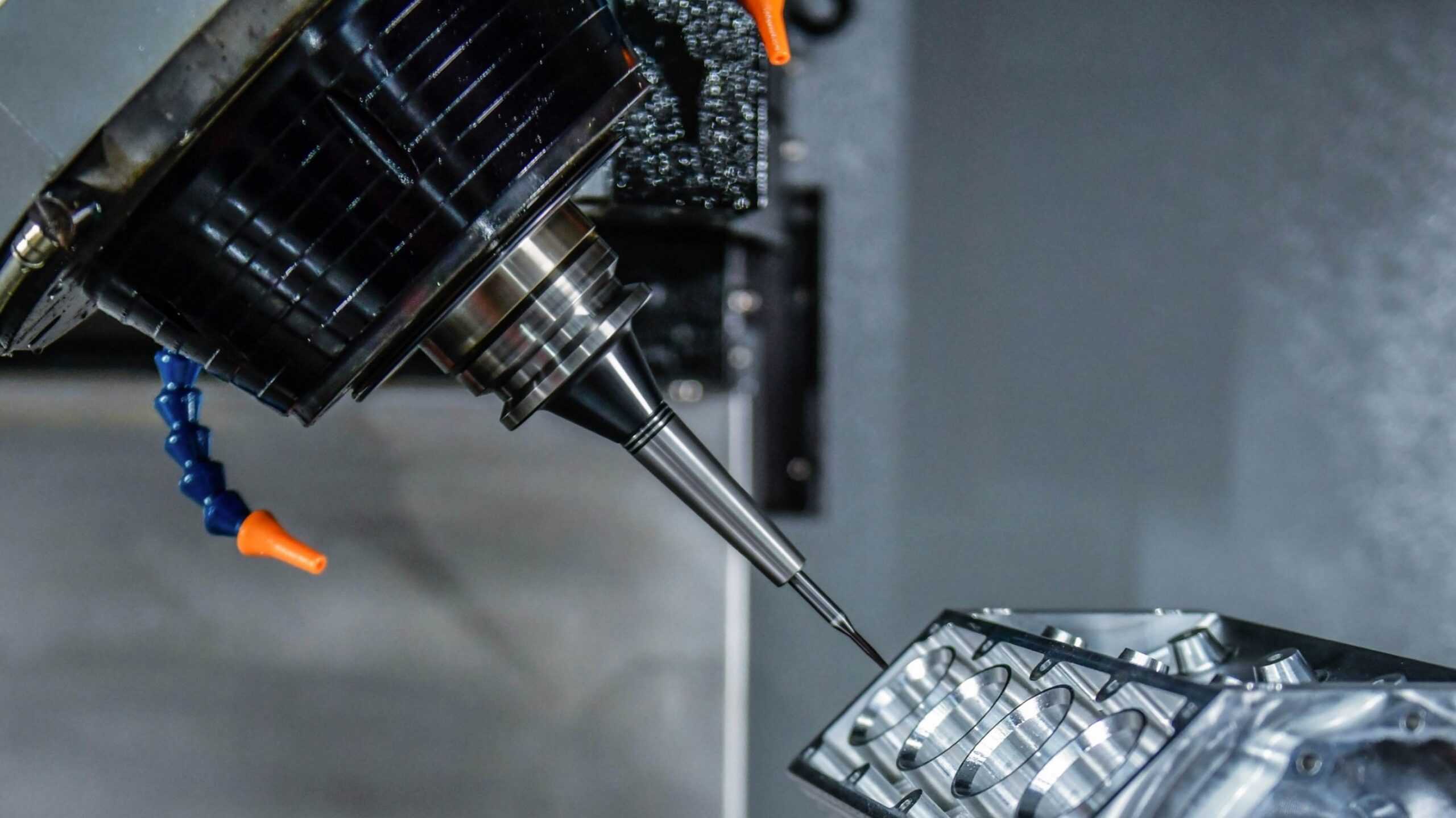
    A reliable CNC process begins with controlled variables. Material, tooling, programming, and inspection must work together. For a machine shop in Dallas, that discipline supports repeatable dimensions across production runs. Consistency also depends on fixture stability, cutting parameters, and maintenance routines. When each factor receives attention, finished components hold tighter specifications. The result is fewer adjustments, smoother assembly, and predictable production output.

    Stable Processes Create Repeatable Components

    Process stability starts with documented machining conditions. Operators can monitor spindle speed, feed rates, tooling wear, and coolant flow. Fixtures also need firm positioning throughout each cycle. Small deviations can compound across repeated parts. Standardized setups reduce variation before inspection identifies costly defects.

    Which Variables Shape Machining Accuracy?

    Material hardness affects cutting behavior and tool selection. Temperature can influence dimensions during extended production cycles. Tool wear changes cutting geometry over time. Reliable controls should monitor:

    • Cutting parameters remain tied to material specifications.
    • Fixtures maintain consistent workpiece positioning.
    • Tools receive scheduled replacement intervals.
    • Inspection checks critical dimensions between batches.

    These controls create measurable process boundaries. Stable boundaries make production results easier to predict.

    machine shop in Dallas

    Inspection Catches Drift Before Rework

    Inspection works best as process feedback, not final judgment. Measurements can reveal gradual dimensional drift during production. A machine shop in Houston may use gauges, probes, or coordinate measurement equipment for critical features. Early readings help technicians adjust offsets before defects multiply. That approach protects material, labor, and delivery schedules.

    Can Tool Management Protect Consistency?

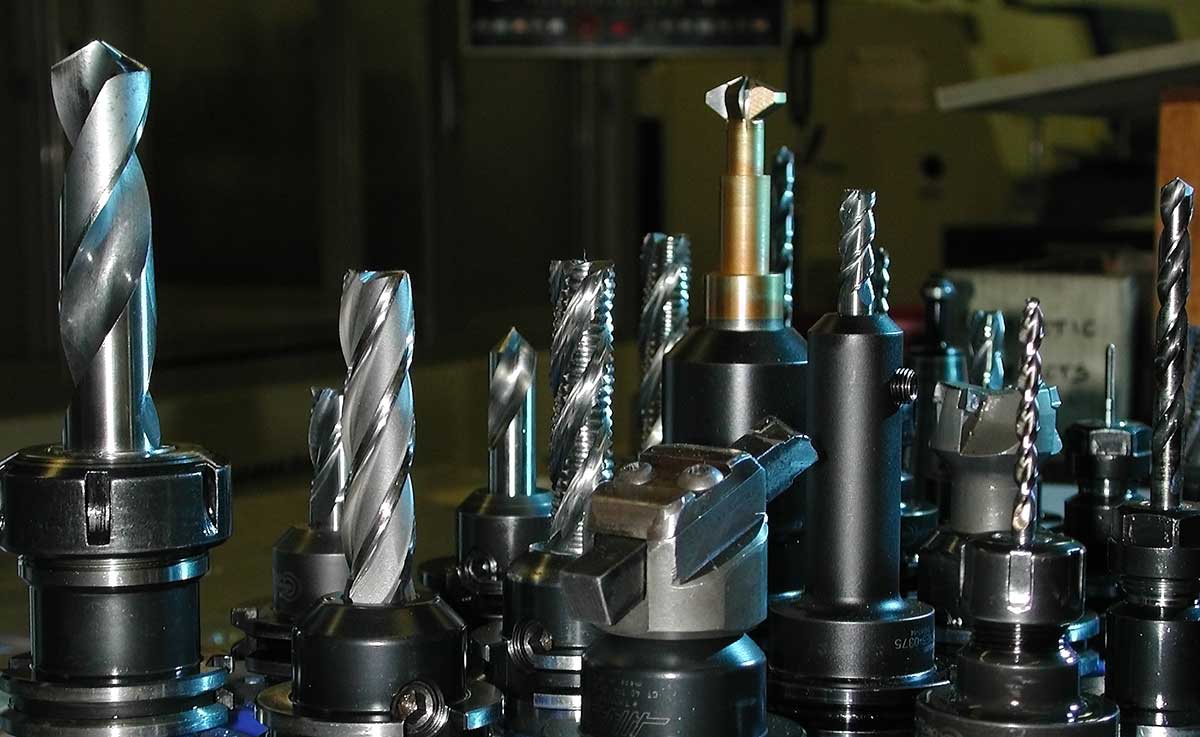
    Tool condition directly affects surface quality and dimensional control. Worn cutters generate heat, chatter, and inconsistent edges. Tool-life records give operators a clear replacement trigger. Predictive replacement can also reduce unexpected stoppages.

    Useful practices include:

    • Record tool usage by production cycle.
    • Check cutting edges during scheduled intervals.
    • Match tooling grades with selected materials.
    • Replace worn inserts before tolerances drift.

    Good tooling discipline turns maintenance into process control.

    Digital Programming Reduces Setup Variation

    Modern CNC programming can standardize repeated operations. Verified programs reduce manual input during production changes. Simulation can expose collisions or inefficient toolpaths before machining begins. Version control also prevents outdated files from returning to production. These safeguards matter when identical components require repeated manufacturing over months.

    Consistency Becomes Measurable Production Value

    Reliable machining creates more than uniform dimensions. Stable processes reduce scrap, shorten inspection delays, and simplify assembly planning. A fixture that holds position repeatedly can protect a critical hole pattern across hundreds of parts. That measurable consistency becomes a manufacturing asset, not merely a quality target.

    FAQs

    What causes CNC machining variation?
    Tool wear, unstable fixtures, heat, material changes, and programming errors can introduce variation.

    How does inspection improve CNC consistency?
    Frequent measurements reveal dimensional drift before larger batches require costly rework.

    Why does tool management matter?
    Controlled tool replacement prevents worn cutting edges from affecting accuracy and surface finish.

    Can CNC programming improve repeatability?
    Yes. Verified programs and controlled revisions reduce setup differences across recurring production runs.

    Continue reading

    You Missed

    Distinctive Aroma Profiles Adding Depth To Blue Weber Agave Tequila

    Distinctive Aroma Profiles Adding Depth To Blue Weber Agave Tequila

    Improve Sipping Quality Through Tequilas Offering Smooth Balanced Flavor Profiles

    Improve Sipping Quality Through Tequilas Offering Smooth Balanced Flavor Profiles

    Boost Manufacturing Consistency Through Reliable CNC Machining Processes

    Boost Manufacturing Consistency Through Reliable CNC Machining Processes

    How Baby Blankets Provide Added Warmth And Comfort For Everyday Infant Care

    How Baby Blankets Provide Added Warmth And Comfort For Everyday Infant Care

    PBN Backlinks Supporting Consistent Search Visibility Through Trusted Domain Networks

    PBN Backlinks Supporting Consistent Search Visibility Through Trusted Domain Networks

    Selecting Reliable CJC No DAC Ipamorelin Blend Sources for Research Purposes

    Selecting Reliable CJC No DAC Ipamorelin Blend Sources for Research Purposes