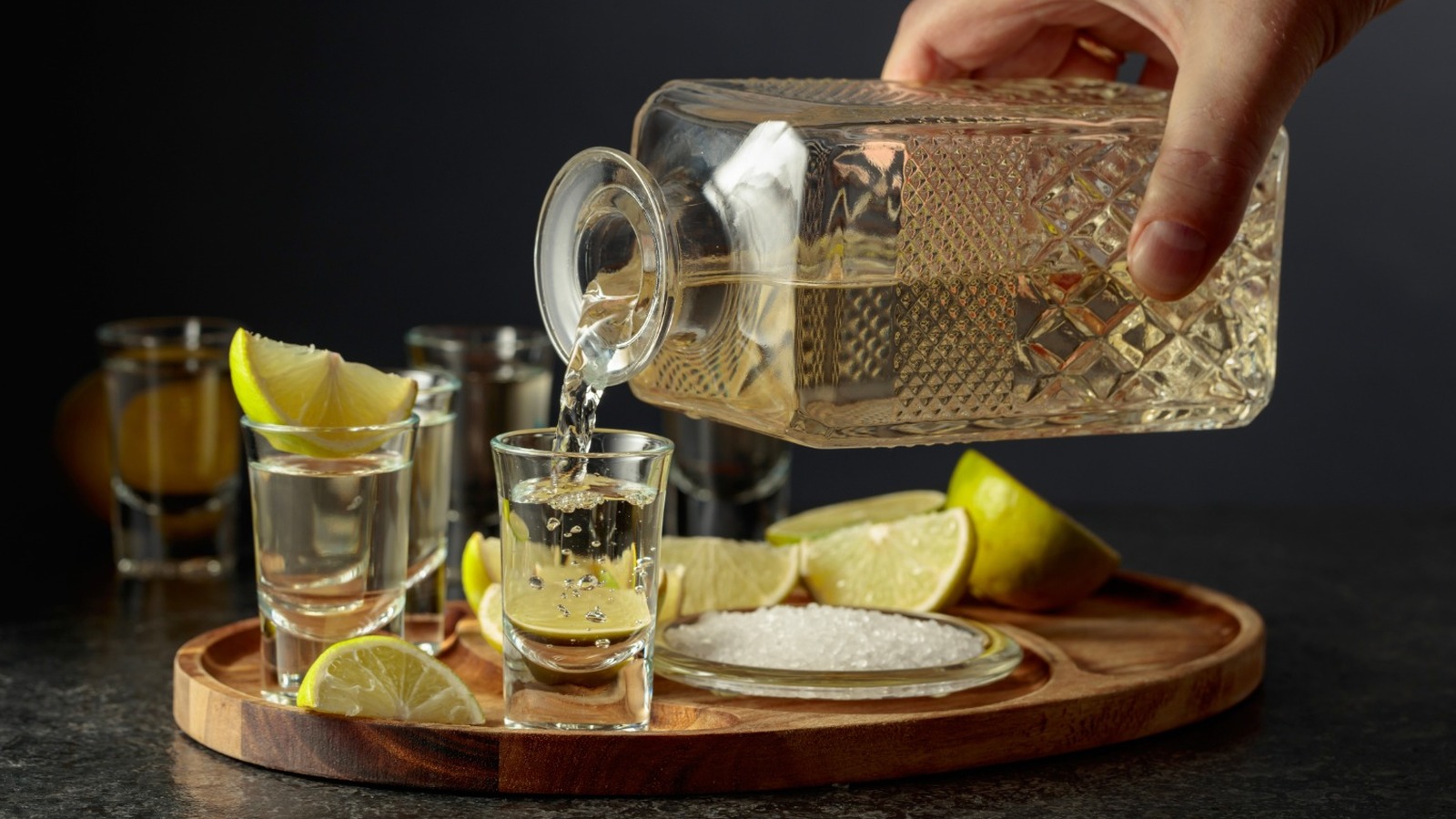
Improve Sipping Quality Through Tequilas Offering Smooth Balanced Flavor Profiles
Zayden Roy
- September 23, 2026
A good tequila changes character as the glass empties. Early aromas can feel bright, while later sips reveal warmer notes. The best sipping tequilas often balance sweetness, oak, spice, and gentle heat. That balance depends on agave maturity, roasting, distilling, and barrel time. Each stage leaves a noticeable mark on the final pour. For that reason, slower tasting can reveal details missed during quick drinking.
Agave Character Sets The Foundation
Good agave character gives a pour its starting point. Roasting brings gentle sweetness and deeper roasted notes forward. Distillation then shapes clarity, strength, and overall texture. When those elements remain controlled, the finished spirit feels rounded. Fresh herbal notes can still remain noticeable afterward.
Oak Time Adds Gentle Depth
Barrel time can soften sharper edges during maturation. Reposado styles often develop vanilla, toast, and mild spice. Longer resting may bring darker wood and dried fruit notes. Still, heavy oak can cover the original agave character.
- Light oak can add soft vanilla tones.
- Toasting brings warmer notes forward.
- Longer resting creates deeper wood character.
- Balanced barrels preserve fresh agave notes.
What Creates A Smooth Finish?
Smoothness comes from several elements working together. Alcohol warmth should remain present without taking over. Sweet notes can support spice through each sip. A clean finish also allows subtle flavors to linger. The best sipping tequilas often show this balance naturally from start to finish.
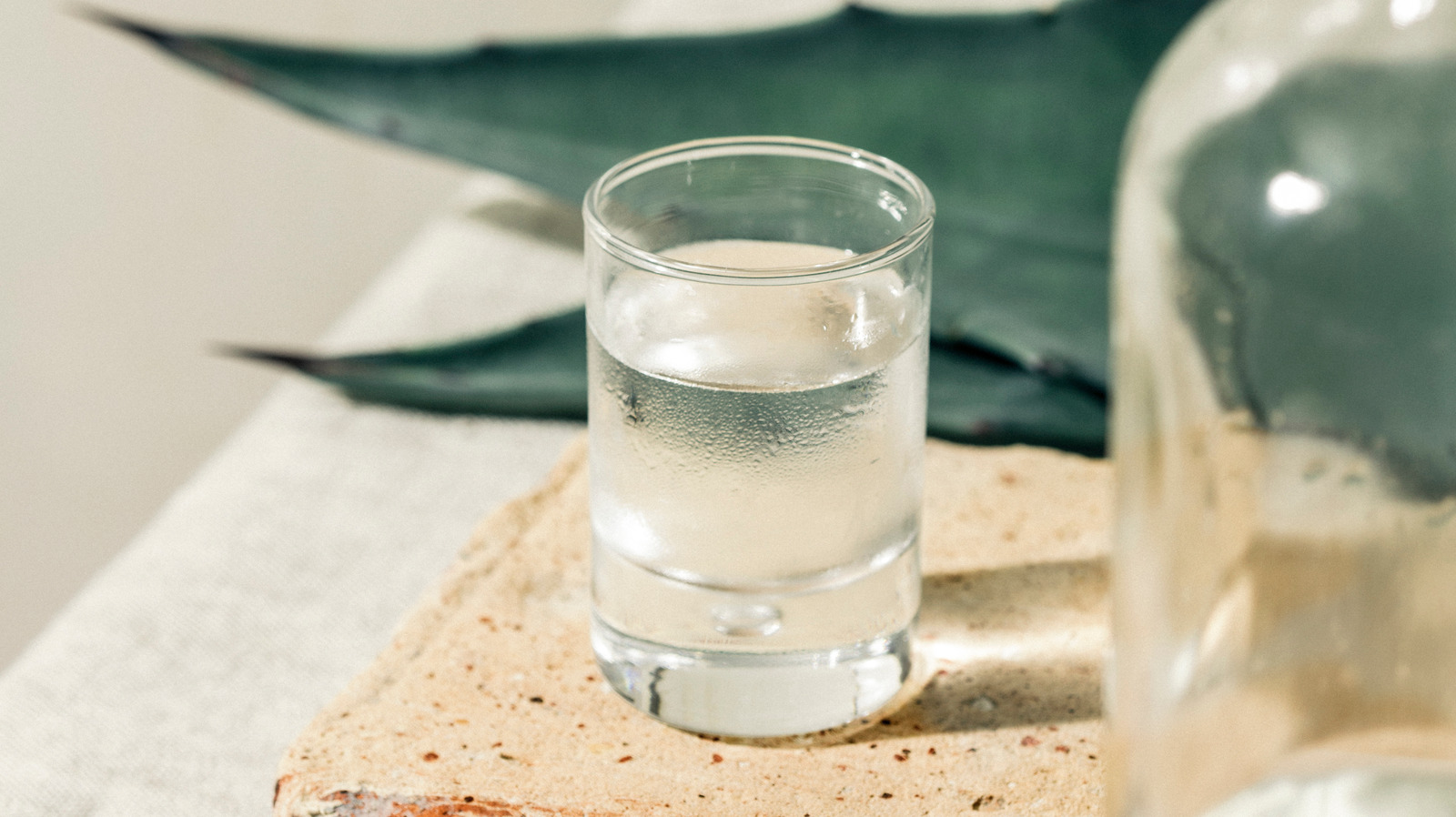
Texture Shapes Each Careful Sip
Texture changes how flavor travels across the palate. A fuller pour may feel rich and rounded. Lighter styles can seem crisp with brighter herbal notes. Serving temperature also matters because excessive chilling hides delicate aromas.
- Moderate temperatures help aromas stay noticeable.
- Smaller pours encourage slower tasting habits.
- Narrow glasses can focus delicate scents.
Which Flavor Style Feels Right?
Personal taste remains important when selecting a bottle. Agave-led styles suit drinkers seeking earthy sweetness and fresh herbs. Oak-focused versions offer warmer notes with added depth. Brighter profiles can bring citrus and gentle spice forward. Sampling small amounts makes those differences easier to notice.
Patient Sipping Reveals More Detail
A slow pour gives each stage room to develop. The opening aroma may feel fresh and lightly sweet. Later, roasted notes can meet oak, spice, or fruit. That change creates a more useful tasting picture. A balanced bottle does not need intense flavors to remain interesting. Instead, small changes across each sip can hold attention longer.
FAQs
What makes tequila suitable for slow sipping?
A rounded profile keeps sweetness, warmth, texture, and finish working together without one note taking control.
Does extra barrel time always improve flavor?
No, extended aging can add depth while also hiding delicate agave character.
Should tequila always be served chilled?
Moderate serving temperatures often preserve more aroma and allow subtle flavors to remain clear.
What glass supports better aroma recognition?
A narrower glass can gather scents near the opening, making small differences easier to notice.