Zayden Roy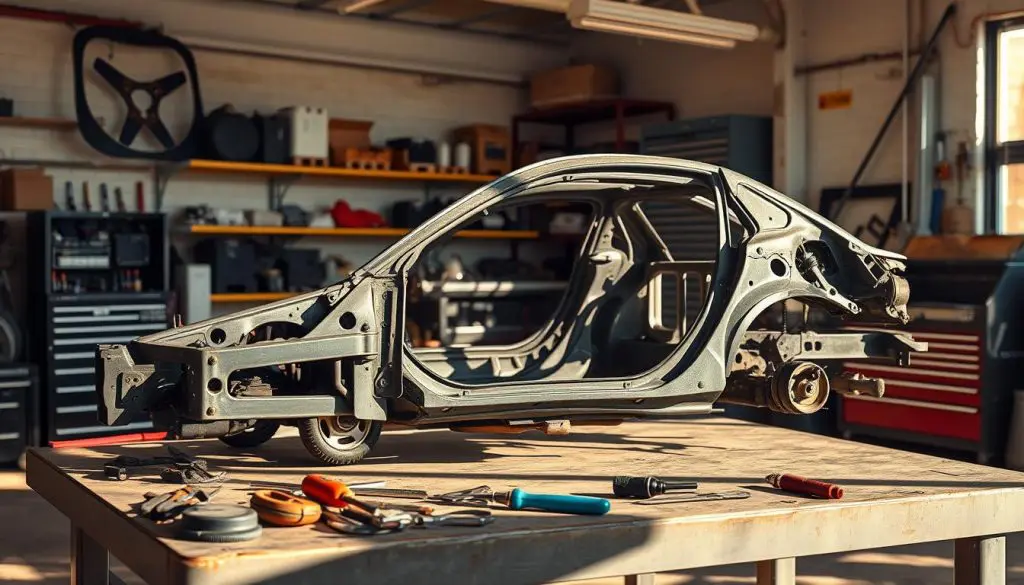
Repair jobs are usually demanding in terms of precision, meticulous handling,and planning to restructure ruined buildings. The modern tools are useful in enhancing speed and minimizing manual labor in the workshop. The frame machine for cars is one of the necessary tools that facilitates the work of positioning tasks with precision. The systems help technicians to rectify the structural problems within a short time without having to make repeated adjustments. The more efficient an employee is, the less time he or she will spend on any job. This also reduces the cost of labor as less time is spent on doing work. The improved tools result in improved production with a lesser effort on the employees.
Efficient Repair with Accurate Alignment.
Accurate alignment equipment assists in achieving a structure within no time, as the adjustments are correctly made with the first step, reducing redundancy of work and enhancing the efficiency of the workflow among various repair steps undertaken in the workshops.
Less time on Manual labor.
The use of machines in heavy pulling reduces the physical workload on employees and enables them to focus on the accuracy of control, hence completing the task faster without any unnecessary delays during repairs.
Consistent Results Across Multiple Repairs
Using structured systems ensures similar outcomes for each task, which removes guesswork while improving the reliability of alignment work across different repair cases handled within the same environment.
Faster Setup Improves Workflow Speed
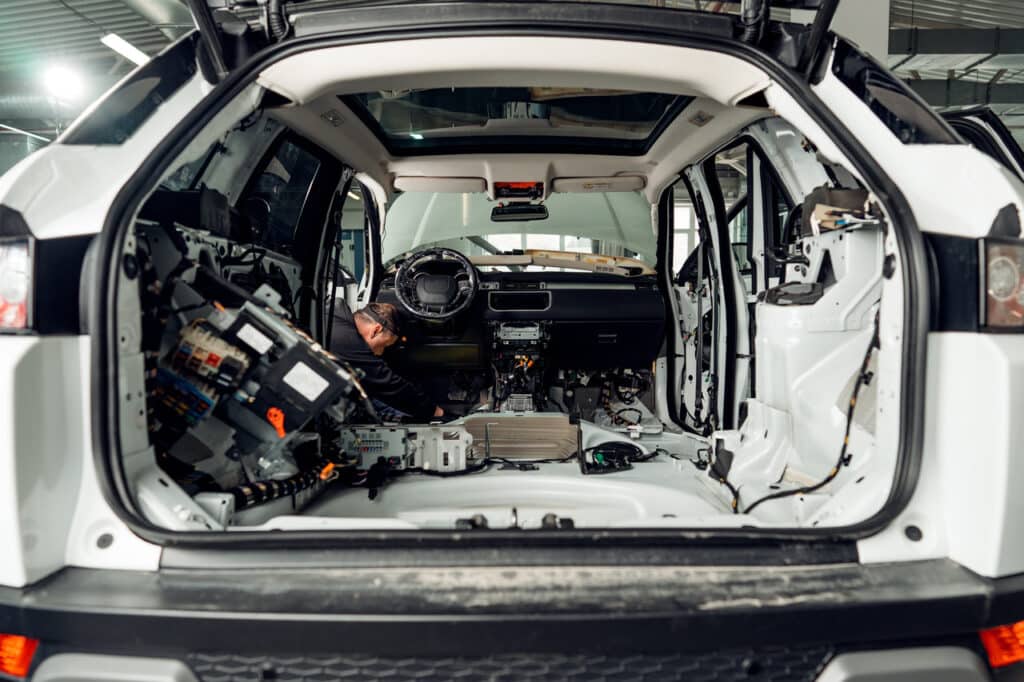
Quick setup features reduce preparation time before starting work, which allows technicians to begin adjustments sooner, leading to better time management during busy repair schedules.
Better Measurement Enhances Precision Levels
Built-in measurement tools guide alignment with clear data, which helps avoid errors while ensuring that each adjustment meets required standards without repeated checking.
Controlled Pulling Prevents Further Damage
Controlled pulling systems apply a steady force, which reduces the risk of additional damage while ensuring that corrections happen smoothly without sudden pressure changes during repair work.
Improved Safety During Repair Tasks
Secure holding systems keep structures stable, which reduces accidents while giving workers better control during alignment tasks that require careful handling of heavy components.
Efficient Tools Increase Productivity Rates
Better tools allow workers to complete more tasks within a limited time, which improves productivity while maintaining consistent output quality across different repair requirements.
Skill Support Through Guided Systems
Guided systems assist workers by providing clear direction, which reduces dependence on guesswork while improving confidence during complex alignment tasks.
Maintenance Simplicity Supports Longevity
Simple maintenance processes keep machines in working condition, which reduces downtime while ensuring continuous use without frequent interruptions in repair schedules.
Training Becomes Easier With Systems
Structured systems simplify learning for new workers, which helps them understand alignment processes quickly while maintaining accuracy during early stages of training.
Efficient repair work depends on combining reliable tools with proper handling techniques that support steady output. Systems designed for alignment help reduce workload while improving task accuracy across different repair conditions. Proper equipment selection ensures smoother operations while lowering the overall effort required from workers. When tools support precision and control, results improve without unnecessary delays or repeated corrections. Using solutions like a frame machine for cars helps maintain a balance between speed and quality, making repair tasks more manageable while reducing total operational costs over time.