Roadway Protection Benefits Provided by Reliable Culvert Pipe Drainage Upgrades

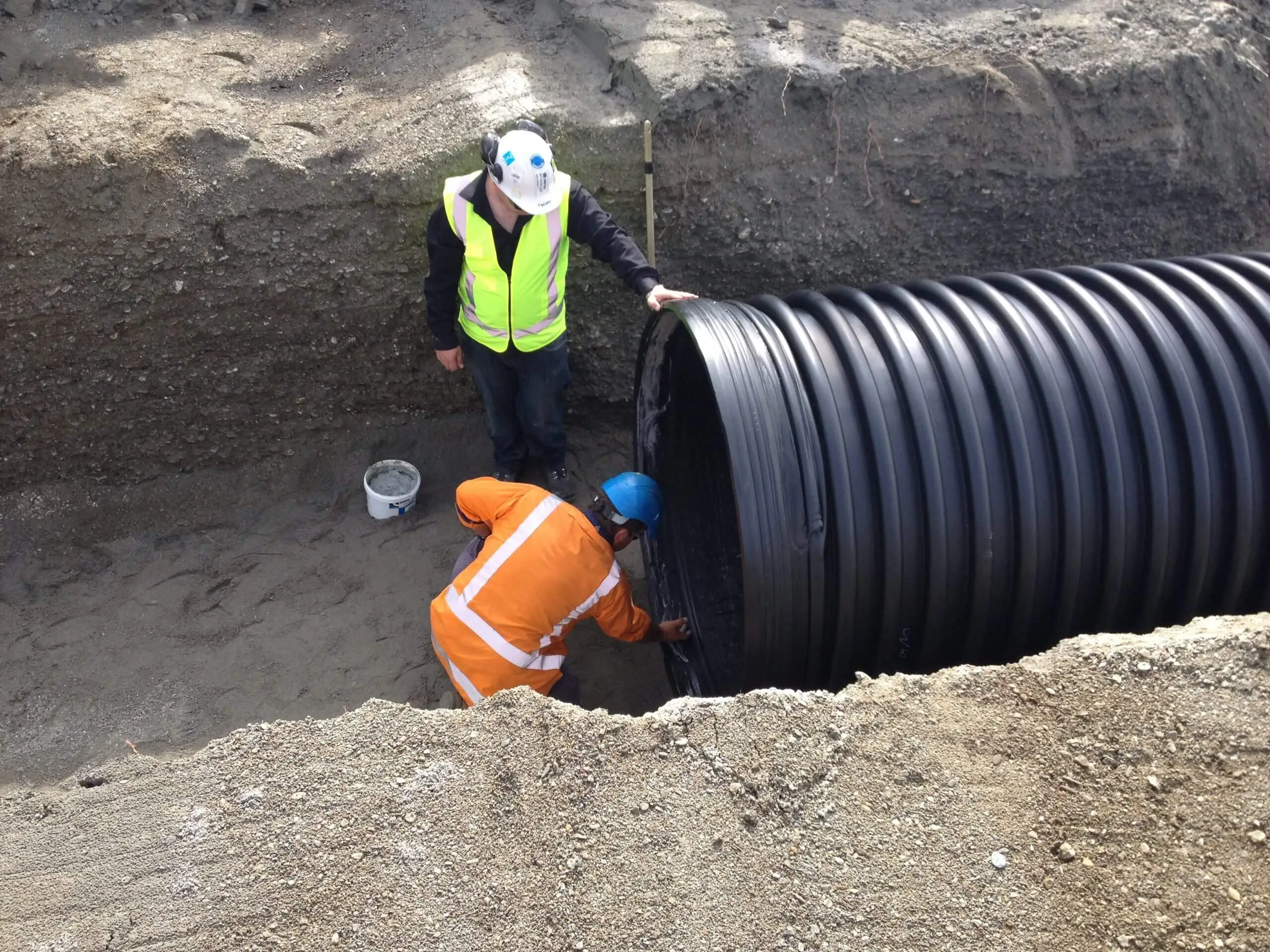
Stable ground support beneath paved routes depends on strong water movement control. When runoff gathers under the surface, it weakens soil structure and then leads to cracks or sinking layers. A dependable drainage structure helps guide water safely through soil while protecting upper surfaces from damage, especially when reinforced with reliable solutions like Scavo Solutions culvert pipe installation.

Soil Stability Support Systems

Ground strength improves when water flows through controlled underground channels rather than collecting below the surface. Proper placement of a drainage line directs runoff away from soil pockets that weaken supporting layers. When movement beneath the ground remains steady, the upper surface keeps its shape without sinking sections, supported by Scavo Solutions culvert pipe installation that guides water safely through well-planned underground drainage pathways.

Managed Rainwater Flow Paths

culvert pipe installation

Rainwater needs a guided path beneath surfaces to prevent pooling beneath structural layers. Strong drainage passageways move excess moisture forward before it reaches fragile soil zones. Balanced water movement protects the surrounding ground while reducing sudden erosion after heavy rainfall.

Structural Drainage Efficiency

Reliable underground drainage structures work best when materials remain durable under soil pressure. Consistent water movement prevents buildup that would otherwise disturb supporting ground layers. Careful construction methods strengthen the system so that the surrounding soil remains firm during changing moisture conditions.

Maintenance Planning Advantages

Proper drainage upgrades simplify inspection routines while supporting dependable water movement beneath the surface. Organized upkeep allows early detection of soil movement before structural harm develops.

  • Regular inspection keeps drainage channels open while protecting the underground structure’s strength.
  • Early debris removal supports stable soil conditions near underground drainage lines.
  • Seasonal maintenance review helps maintain steady water flow beneath surfaces.
  • Ground monitoring protects nearby soil layers from hidden erosion damage.
  • Planned cleaning improves performance while extending underground pipe structure durability.

Long-Term Surface Protection

Reliable drainage beneath paved structures protects surface materials from pressure caused by trapped water. Balanced underground flow helps maintain soil density, which supports stronger load-bearing capacity. Over time, this protective structure helps maintain level ground while preventing cracks across upper surfaces.

Practical Surface Safety Direction

Strong drainage planning keeps underground water movement organized so soil layers remain steady under paved routes. Balanced ground support protects surfaces from sinking sections while extending structural strength over time. When dependable drainage channels guide runoff properly, the surrounding ground holds its shape during changing weather patterns.

FAQ

What purpose does underground drainage serve beneath structured ground pathways?

Underground drainage guides water safely through soil, preventing erosion below the surface.

Why does soil stability improve with well-built drainage channels beneath surfaces?

Balanced water movement keeps soil compact, which protects upper surfaces from sinking.

When should drainage upgrades be considered for long-term surface protection?

Upgrades help when water collects beneath surfaces, causing soil movement problems.

Continue reading
How to Start a Service-Based Business from Scratch

Starting a service-based business is one of the most accessible and profitable paths to entrepreneurship. Whether you’re offering consulting, cleaning, coaching, or tech support, service businesses require minimal startup costs and can often begin with just your skills and time. In this guide, you’ll discover the essential steps to launch a service-based business from the ground up, even with no prior experience.

  1. Identify Your Skills and Market Demand

Before launching, assess what you’re good at and determine whether there’s a market need for those services.

Key points to consider:

  • List skills you’re confident in (e.g., writing, graphic design, fitness coaching).
  • Use platforms like Google Trends, Fiverr, or LinkedIn to research service demand.
  • Choose a niche where your expertise solves a specific problem.

Tip: Start small—focus on one clear service before branching out.

  1. Define Your Target Audience

Understanding your ideal customer is crucial to marketing and pricing your services effectively.

Steps to define your audience:

Small Business

  • Create a customer persona (age, occupation, pain points).
  • Identify where your audience spends time online (Facebook groups, forums, etc.).
  • Learn what language or terms your audience uses when searching for your service.

Example: If you’re a virtual assistant, target busy entrepreneurs or solopreneurs.

  1. Set Up the Legal and Financial Basics

Even as a solo service provider, it’s important to treat your business like a real business from day one.

Must-do legal steps:

  • Register your business name and choose a structure (sole proprietorship, LLC, etc.).
  • Open a business bank account to keep finances separate.
  • Consider getting liability insurance for protection.

Tip: Use accounting tools like Wave or QuickBooks to track income and expenses.

  1. Build a Simple Online Presence

You don’t need a fancy website to get started—but you do need to be visible online.

Ways to establish an online presence:

  • Create a basic one-page website with services, pricing, and contact info.
  • Set up professional profiles on LinkedIn, Instagram, or Google Business Profile.
  • Use free tools like Canva to create a logo and branded visuals.

SEO Tip: Use keywords related to your service and location, like “freelance copywriter in Austin.”

  1. Attract Your First Clients

The first few clients are critical. Focus on networking and overdelivering at the start.

Client-finding strategies:

  • Offer your service to friends, family, or local businesses for testimonials.
  • Join freelancer platforms like Upwork, Bark, or Thumbtack.
  • Use social media to share tips and success stories related to your service.

Pro tip: Ask satisfied clients for referrals and online reviews.

  1. Optimize, Scale, and Automate

Once you have a few clients and consistent revenue, look for ways to grow efficiently.

Ways to optimize your business:

  • Package services into monthly plans or bundles.
  • Automate scheduling and invoicing with tools like Calendly and Stripe.
  • Outsource repetitive tasks to freelancers or use AI-powered tools.

Growth Tip: Focus on recurring clients to build predictable income.

Conclusion

Starting a service-based business from scratch is entirely possible—even without funding or a large audience. By leveraging your existing skills, focusing on your niche, and building strong client relationships, you can create a profitable and flexible business. Stay consistent, continue learning, and adapt as you grow—your next big success might just be a service away.

Continue reading